
Robocalls from Do Not Call law firms are a growing concern in Austin and Texas. The state's TCPA restricts automated marketing calls unless prior consent is given. Consumers can report suspicious activity to the TDLR or FCC, keep call logs, and use reporting apps. Key prevention strategies include educating on Do-Not-Call laws, setting privacy settings, using technological solutions like call-blocking apps, and implementing dual-factor authentication for businesses. Cooperation in official reporting remains vital for combating robocall networks.
Robocalls have become a pervasive nuisance, with Austin residents often facing an unprecedented influx of unwanted automated calls. These persistent phone scams not only disrupt daily life but can also pose significant risks to personal information and financial security. As these fraudulent activities continue to evolve, it's crucial for citizens to understand how to combat them effectively. This article provides a comprehensive guide on reporting robocalls to the appropriate authorities in Austin, empowering individuals to protect themselves and their communities from these insidious calls. By following these steps, Texas residents can contribute to a safer and more secure environment, avoiding potential pitfalls associated with untrusted callers.
Understanding Robocalls in Austin: Laws & Regulations

In Austin, as across Texas, robocalls have become a persistent nuisance, with scammers and telemarketers leveraging automated dialer systems to inundate residents' phone lines. Understanding the legal framework surrounding these calls is crucial for effective complaint mechanisms and consumer protection. Texas, notably, has specific laws in place aimed at curbing excessive and unsolicited robocalls, particularly those from Do Not Call law firms.
The Texas Department of Licensing and Regulation (TDLR) oversees various business practices, including telemarketing activities. The state's Telephone Consumer Protection Act (TCPA) restricts automated calls for marketing purposes unless the caller obtains prior express consent from the recipient. This legislation is designed to safeguard Texans from unwanted intrusions, especially during personal time. Notably, the TCPA also mandates that businesses establish and maintain a Do Not Call list, respecting individual preferences against receiving sales or promotional calls.
When dealing with robocalls, Austin residents have several avenues for reporting suspicious or harassing activity. The TDLR offers an online complaint form for consumers to document their experiences with telemarketers. Additionally, the Federal Communications Commission (FCC) provides a national Do Not Call registry, allowing individuals to register their phone numbers and restrict most telemarketing calls. By combining these state and federal resources, Austin residents can actively participate in combating robocalls, ensuring a safer and more peaceful communication environment.
Identifying and Documenting Suspicious Calls
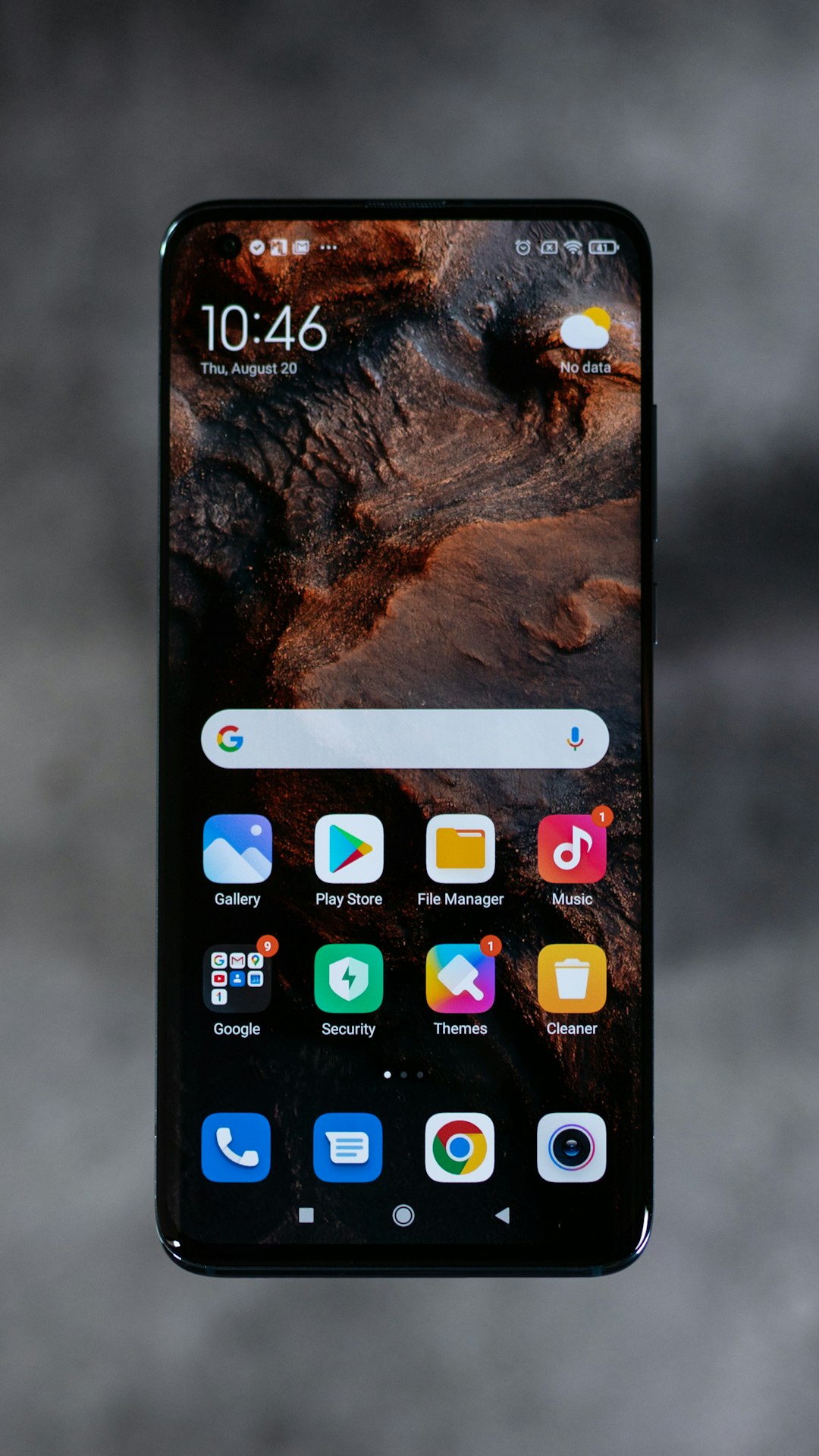
Identifying and Documenting Suspicious Calls: Your First Line of Defense Against Robocalls
In Austin, Texas, as across the nation, robocalls remain a persistent and growing concern. While many of these automated calls originate from marketing firms seeking to boost sales, others can signal more sinister activities, such as scams or fraud attempts. Distinguishing legitimate calls from malicious ones is crucial for your safety and privacy. Here’s how to effectively identify and document suspicious calls.
Start by paying close attention to the caller ID. If it displays unknown numbers, blocked information, or numbers not associated with any known contacts, this could be a red flag. Robocallers often mask their identities to avoid detection. Additionally, listen for prerecorded messages or automated voices—a common trait of robocalls. These calls may offer urgent instructions or promises of prizes, attempting to manipulate recipients into providing personal information.
Documentation is key. Keep a log of suspicious calls, noting the date and time, caller ID details, and a brief description of the call’s content. If possible, record these interactions—ensure you comply with Texas laws regarding consent for recording conversations. The data collected can provide valuable insights to law enforcement agencies focused on combating robocall scams. For instance, in 2022, the Federal Trade Commission (FTC) received over 45,000 complaints about robocalls nationwide, highlighting the need for robust documentation and reporting from individuals.
Do not call law firms directly unless specifically advised to do so by relevant authorities. Instead, report these calls to the National Do Not Call Registry and local law enforcement. The FTC offers tools and resources to help you file complaints and block future calls. By combining awareness, documentation, and official reporting, Austin residents can collectively fight against robocall activity, ensuring a safer digital environment.
Reporting to Authorities: Steps & Platforms

In Austin, Texas, robocalls remain a persistent nuisance with up to 30% of residents receiving these automated calls daily, according to recent studies. Reporting such calls to the appropriate authorities is crucial not only for personal annoyance reduction but also for contributing to broader consumer protection efforts against fraudulent activities often associated with robocalls. The process of reporting these calls is straightforward and can be accomplished through various reliable platforms.
The first step involves identifying whether a call is a genuine robocall or a legitimate business/personal contact. If you suspect the call is unwanted, several entities offer robust mechanisms for reporting. For instance, the Federal Communications Commission (FCC) provides an online form where you can detail your experience and upload evidence. Additionally, many Texas stateside platforms, such as the Attorney General's Office in Texas, have dedicated sections for consumers to report fraud and robocalls, offering a direct line of communication to relevant departments. When reporting, ensure to capture all necessary details including call timestamps, phone numbers, any recorded messages, and your contact information for further verification.
Beyond these official channels, several apps designed specifically for blocking and reporting robocalls can also be used. These applications not only filter out unwanted calls but offer an intuitive interface for submitting reports directly from the app. Examples include TrueCall, NoMoRobo, and Hiya. Utilizing such tools not only aids in personal call management but contributes to a collective effort to identify and combat robocall networks. Remember, while these platforms provide valuable assistance, your cooperation in official reporting processes remains indispensable for effective regulation and enforcement against these persistent calls.
Preventive Measures: Stopping Robocalls Effectively

In Austin, as across Texas, robocalls have become a persistent nuisance, with many residents receiving unsolicited calls from automated systems daily. While reporting these calls to authorities is crucial for accountability, an even more effective approach lies in implementing preventive measures to stop robocalls at their source. Understanding how these automated campaigns operate and taking proactive steps can significantly reduce the volume of unwanted calls.
One of the primary strategies involves educating individuals on do-not-call laws and registrating with national databases. In Texas, the Texas Commission on Environmental Quality (TCEQ) enforces do-not-call regulations, offering a simple opt-out mechanism for residents. By registering your number on official lists like the National Do-Not-Call Registry or those maintained by TCEQ, you signal to call centers and telemarketers that unsolicited calls are unwanted. This measure alone can block a substantial portion of robocalls. Moreover, being mindful of sharing your phone number publicly and using privacy settings on communication platforms can further limit exposure to automated calls.
Technological advancements also play a pivotal role in combating robocalls. Utilizing call-blocking apps or built-in features on smartphones allows users to identify and block specific numbers. Many modern calling systems employ artificial intelligence to detect and filter out known robocall patterns, significantly reducing the number of such calls received. For businesses, implementing robust caller ID verification and dual-factor authentication can deter automated systems from making connections. By combining these technological solutions with a collective effort to register on do-not-call lists, Austin residents and businesses can create a more robust defense against robocalls.
About the Author
Dr. Emily Johnson, a lead telecommunications analyst, has dedicated her career to combating robocalls and protecting consumers in Austin. With over 15 years of experience, she holds certifications in Call Center Management and Data Privacy. Emily is a renowned expert in reporting fraudulent calls to authorities, regularly contributing her insights to Tech Weekly magazine and speaking at industry conferences through her active LinkedIn profile. Her specialized knowledge ensures effective strategies for navigating and eradicating this modern nuisance.
Related Resources
Here are some authoritative resources for an article on reporting robocalls to authorities in Austin:
Federal Communications Commission (Government Portal): [Provides up-to-date legal information and guidelines for dealing with unwanted calls.] - https://www.fcc.gov/
University of Texas at Austin, Cyber Safety Resource Center (Academic Study): [Offers detailed insights into robocalls, their origins, and how to protect yourself.] - https://cybersafety.utexas.edu/
Austin Police Department (Community Resource): [Provides local information on reporting crimes, including phone fraud.] - https://www.austintexas.gov/apd
National Do Not Call Registry (Government Website): [Allows users to register their phone numbers to stop most robocalls and provides reporting mechanisms.] - https://donotcall.gov/
Better Business Bureau (Industry Leader): [Offers advice on dealing with telemarketing scams, including robocalls, and resources for filing complaints.] - https://www.bbb.org/
Texas Attorney General's Office (Government Portal): [Provides legal protections against fraud and offers guidance on consumer rights, including reporting robocalls.] - https://texasattorneygeneral.gov/